Perspective
Can Plan C Pick Up Where An Inconvenient Truth Left Off?
SRM360’s Kevin Harrison reflects on the premiere of Plan C for Civilization, a feature-length documentary on sunlight reflection methods (SRM). He sees a film that doesn’t hand viewers answers, but invites them into the human stories, science, and tough questions shaping the SRM conversation.
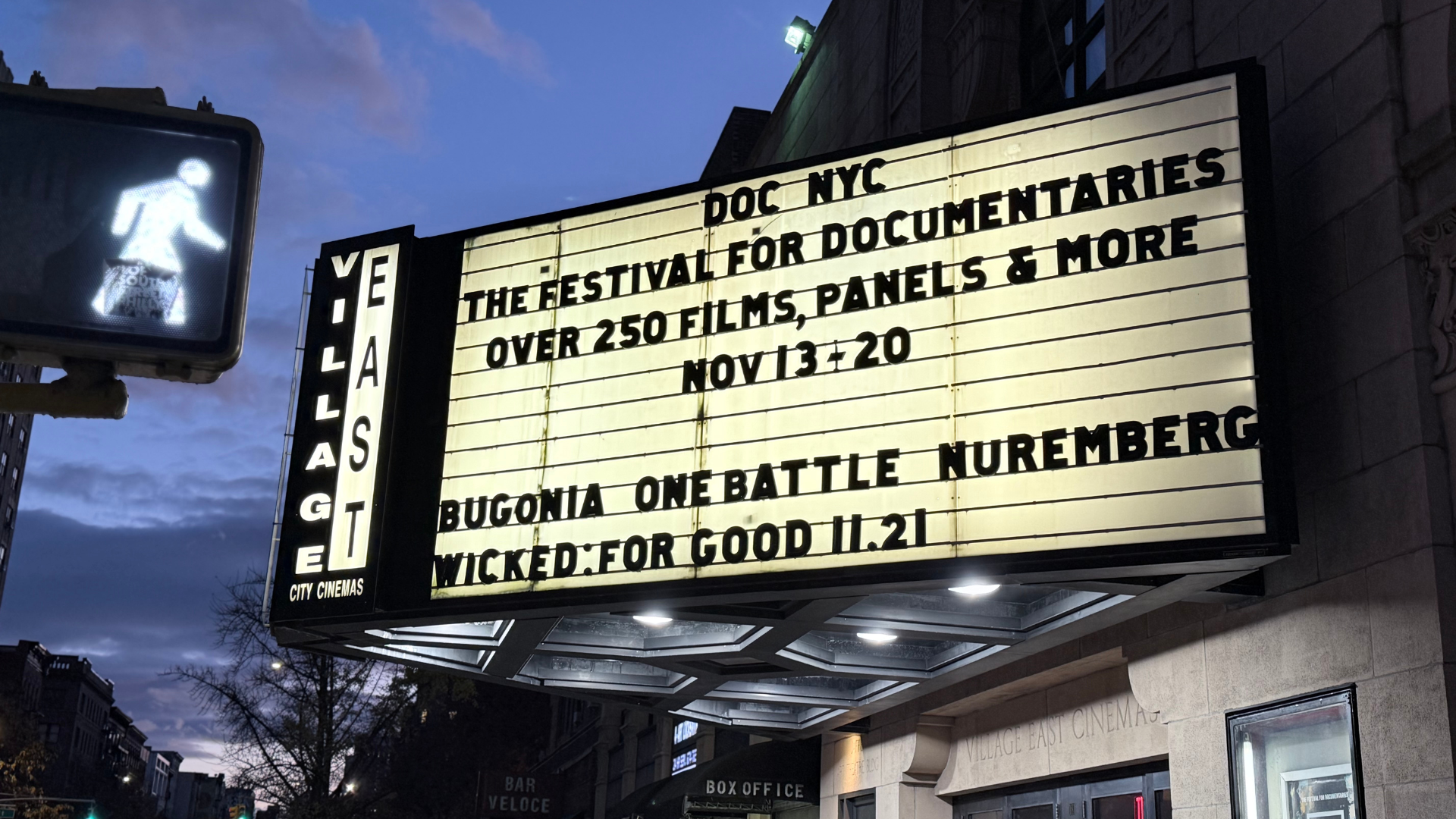
The DOC NYC film festival at Village East Cinemas (Photo: Kevin Harrison)

Plan C for Civilization, the first feature-length documentary to take on solar geoengineering, premiered last week at the DOC NYC film festival. After the screening, filmmaker Ben Kalina said he hoped Plan C could be “a bookend to An Inconvenient Truth” – the landmark climate change documentary from 2006.
It’s a bold aspiration. An Inconvenient Truth wasn’t just a film – it was a cultural moment. It took a complex, technical issue and turned it into something people could feel in their bones. And, remarkably, it worked: surveys at the time found that two-thirds of viewers said it changed their mind, and three-quarters said it changed their behavior.
There is an inconvenient truth running beneath Plan C as well: climate impacts are accelerating and, despite twenty years of effort since Gore’s film, the world still hasn’t done enough to slow them.
Could Plan C ignite public curiosity about SRM the way An Inconvenient Truth did for climate action?
Big shoes to fill
Former US Vice President Al Gore had a uniquely powerful platform: name recognition, moral authority, and the ability to command attention with just a slide deck. He brought a clear, urgent message – cut emissions – to a public still coming to terms with climate science.
Kalina doesn’t see himself as Gore, and Plan C doesn’t rely on an equivalent spokesperson, even when considering its protagonist presentation of Professor David Keith. That’s likely for the best. Solar geoengineering is not a “trust me” topic. It’s a “let’s talk about this carefully” topic.
An Inconvenient Truth also had something SRM does not: a widely recognized scientific consensus. By 2006, it was broadly accepted, if still politically fraught, that human emissions were causing global warming. Once that clicked with the public, the moral logic of cutting emissions felt straightforward.
SRM sits in a very different place. There is no debate that solar geoengineering could cool the planet, but the wider climate science community hasn’t reached consensus on whether it should be a research priority, how it should be governed, or how its risks should be weighed. And for most of the public, the concept itself is largely unfamiliar. Telling a story for a wide audience is inherently harder when there’s no simple answer and no obvious action to take.
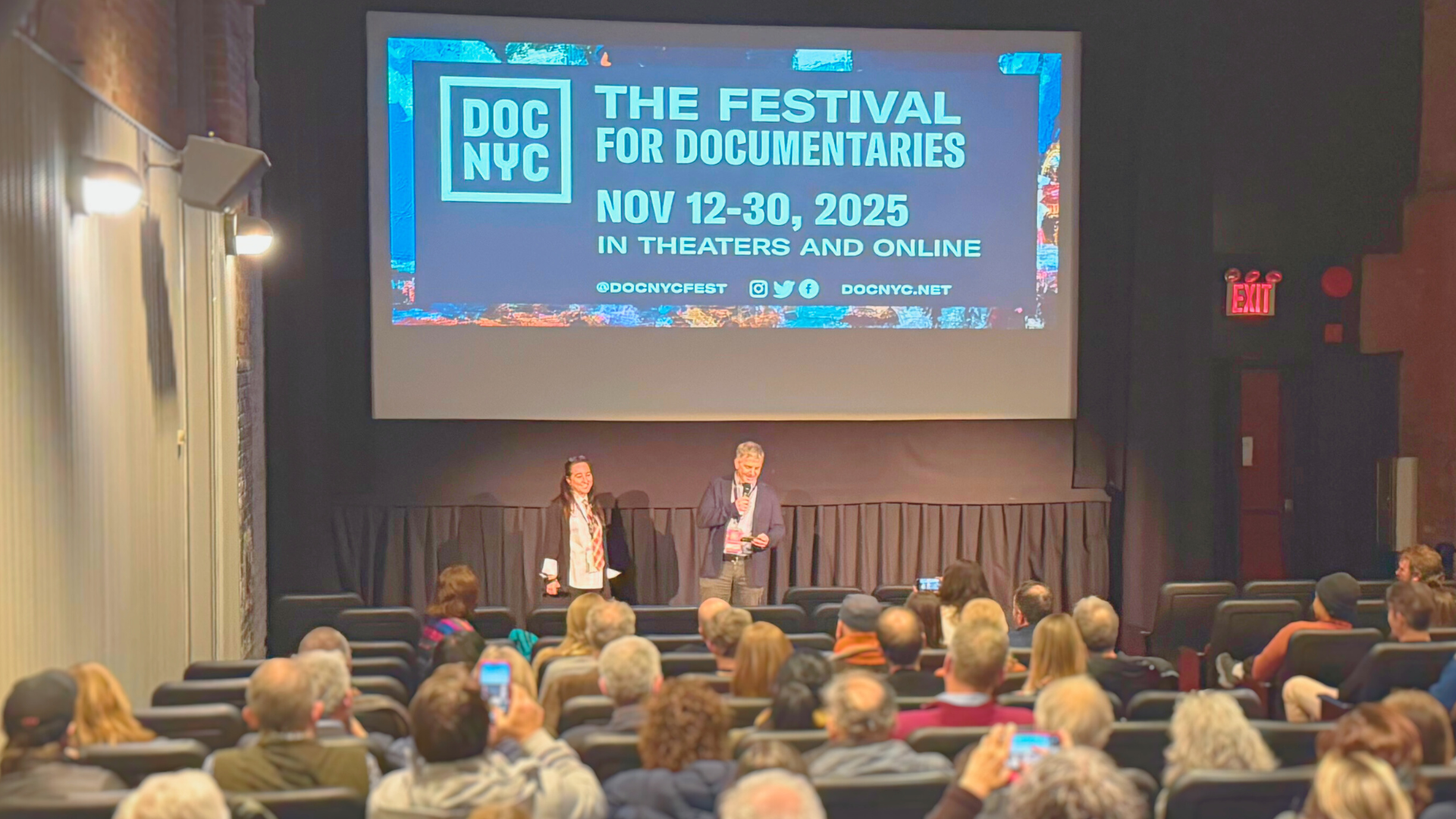
Filmmaker Ben Kalina introduces Plan C for Civilization at the DOC NYC film festival (Photo: Kevin Harrison)
Why Plan C can draw people in
Plan C doesn’t try to oversimplify SRM for its audience. Instead, it balances complex science with a human focus, showing the people behind the research and the questions they wrestle with.
And let’s face it: for a film like this to gain any traction, it has to be genuinely entertaining. Some scientists may bristle at the juxtaposition of the self-proclaimed “goofballs” from Make Sunsets with the researchers taking a more measured approach, but the contrast adds intrigue. And humor. One scene – the Make Sunsets crew essentially cosplaying as Breaking Bad characters while attempting to make sulfur dioxide – drew some of the loudest laughter of the premiere.
Plan C also navigates political tensions carefully. It acknowledges debates and ethical stakes without turning the story into a partisan argument, which keeps the door open for viewers who might otherwise tune out.
Taken together, these choices do more than make Plan C watchable – they give it a real shot at pulling new voices into a conversation that has lived on the margins for too long.
Starting the conversation
Plan C for Civilization is not designed to spark a wave of instant activism. Its influence will likely come from something slower and more reflective: giving audiences permission to consider SRM at all. The film invites people to engage with a topic that has long been treated as taboo and, in doing so, it gently nudges public opinion toward curiosity rather than fear.
If An Inconvenient Truth helped people understand the problem then, Plan C helps people understand the questions today. Ten years after Gore’s film, environmental leader Rhea Suh reflected, “You can’t win a debate without starting the conversation. That’s what he did with An Inconvenient Truth”. Twenty years on, with the climate crisis as urgent as ever, Plan C for Civilization invites us to include SRM in the conversation.
Plan C for Civilization is streaming with DOC NYC through November 30. Interested in furthering the conversation? Connect with Ben Kalina to host a screening. Learn more at plancforcivilization.substack.com.
The views expressed by Perspective writers and News Reaction contributors are their own and are not necessarily endorsed by SRM360. We aim to present ideas from diverse viewpoints in these pieces to further support informed discussion of SRM (solar geoengineering).