Perspective
The Cultural Architecture of SAI: Systems, Resource Extraction, and Climate Justice
The Climate Systems Engineering initiative at the University of Chicago recently hosted an essay contest inviting undergraduate students to write about stratospheric aerosol injection (SAI). Here is the runner-up essay, which makes the case against SAI; for a contrasting perspective, read the winning essay.

The University of Chicago (Photo: Beata Zawrzel via Reuters Connect)

Introduction: The systems engineering of planetary masking
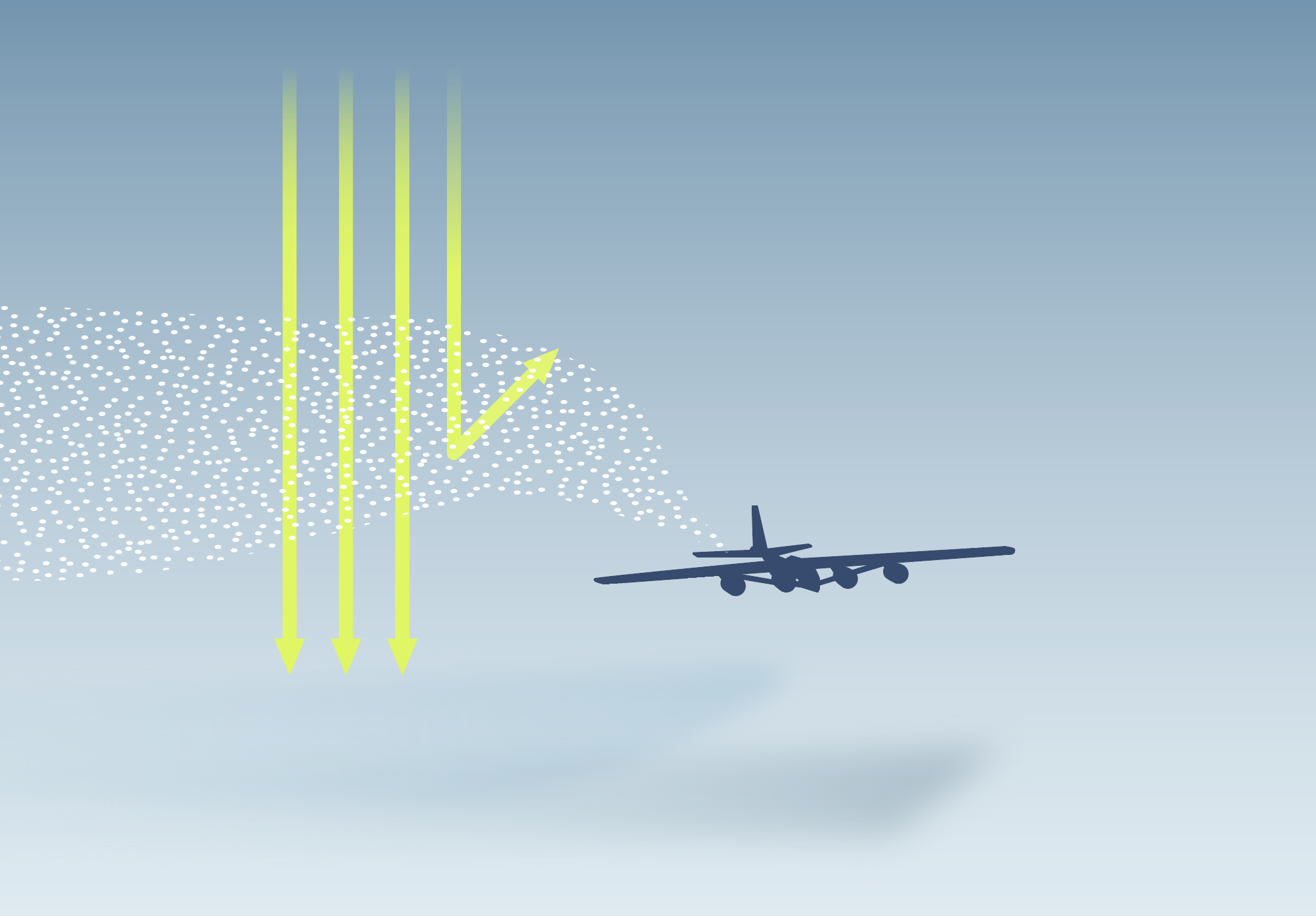
The proposal to deliberately deploy aerosols into the stratosphere to offset carbon dioxide-driven warming represents a profound intervention into the Earth’s interconnected climatic and socioeconomic systems. The Climate Systems Engineering framework often evaluates Stratospheric Aerosol Injection (SAI) through a narrow climatological lens, theorizing that lofting millions of tons of reflective particles into the upper atmosphere can mimic the cooling effects of massive volcanic eruptions. Proponents argue this artificially increased planetary albedo would suppress global mean temperatures and maintain the climate within the 1.5°C threshold established by the Paris Agreement. A rigorous analysis of this proposition demands that the analytical boundary be expanded far beyond mere temperature regulation. The global climate system continuously interacts with the terrestrial biosphere, international supply chains, and the vulnerable human populations sustaining industrial infrastructure. Assessing the true viability of SAI requires an exhaustive accounting of the intervention’s entire lifecycle, extending from the subterranean extraction of aerospace minerals to the atmospheric teleconnections governing regional hydrology.
Subjected to comprehensive systems-level scrutiny, SAI reveals itself as an iatrogenic intervention. Within medical frameworks, an iatrogenic condition refers to a pathology induced directly by the prescribed treatment. Deploying a global SAI architecture requires the creation of an unprecedented high-altitude aerospace logistics network. Sustaining this network mandates the perpetual extraction of critical minerals, creating profound ecological and social devastation within the resource-supplying nations of the Global South. The Democratic Republic of the Congo (DRC), South Africa, and Nigeria stand uniquely positioned to bear the concentrated brunt of this immense material demand. The pursuit of atmospheric cooling thus forces the aggressive expansion of localized sacrifice zones, where environmental justice is routinely subverted to fuel global macro-engineering projects.
Simultaneously, the atmospheric injection of these materials threatens to exacerbate climate instability in the very regions purportedly benefiting from the intervention. Modifications to the global radiative balance are projected to disrupt the West African Monsoon, alter precipitation distributions across the Sahel and Southern Africa, and degrade the nutritional profiles of staple crops. A sudden interruption of this continuous aerosol loading – precipitated by geopolitical conflict, economic collapse, or supply chain failure – would trigger a devastating “termination shock,” unleashing a chillingly rapid spike in global temperatures capable of shattering ecological resilience. African leadership, recognizing these cascading systemic risks, has established a formidable consensus against the technology. The African Ministerial Conference on the Environment (AMCEN) unequivocally rejects solar radiation modification, characterizing the pursuit of such technologies as a manifestation of green colonialism. A comprehensive evaluation of the physical, economic, and social evidence demonstrates that humanity must decisively reject the deliberate deployment of stratospheric aerosols. Acknowledging the profound dangers of SAI reflects an acute awareness of complex systems and a commitment to genuine planetary stability. Global policy must wholly prioritize structural adaptation and the accelerated reduction of greenhouse gas emissions.
The logistical and material reality of SAI deployment
To comprehend the terrestrial impacts of SAI, one must first quantify the sheer scale of the required aerospace architecture. The stratosphere begins at approximately 10 to 20 kilometers above the Earth’s surface, with the altitude varying by latitude. Delivering millions of tons of precursor materials to this altitude requires highly specialized delivery mechanisms. Current-generation aircraft lack the combined payload capacity and extreme altitude capabilities required for this unprecedented task. Engineering models confirm that deploying SAI necessitates the design, testing, and mass manufacturing of an entirely new fleet of high-altitude tanker aircraft.
The engineering specifications for such a fleet demand vast quantities of high-performance materials. Aerospace manufacturing relies heavily on advanced alloys to achieve the requisite strength-to-density ratios, thermal resistance, and structural integrity. Titanium serves as the foundational metal for structural airframes, engine components, and landing gear in modern aviation. Concurrently, the sophisticated avionics, guidance systems, and high-temperature engine superalloys require substantial inputs of cobalt, copper, lithium, and rare-earth elements.
This table outlines the primary materials required for the SAI aerospace infrastructure and their corresponding extraction hotspots, highlighting the geographical concentration of the required supply chain.
| Material | Application in SAI Infrastructure | Primary Extraction Geographies | Systemic Vulnerabilities |
|---|---|---|---|
| Titanium | Airframes, engine components, high-stress landing gear | South Africa, Mozambique, China | Requires ecologically destructive coastal sand dune dredging. |
| Cobalt | Superalloys for high-temperature engines, avionics, electrical systems | Democratic Republic of the Congo (DRC) | Associated with hyper-acidic water pollution, human rights abuses, and severe health crises. |
| Sulfur Dioxide | The primary reflective aerosol injected into the stratosphere | Global byproduct of fossil fuel refining, heavily concentrated in oil-producing nations like Nigeria | Creates a dependency loop on continued fossil fuel extraction to supply the geoengineering agent. |
| Aluminum | Lightweight structural components, potential solid aerosol alternative | Guinea, Global operations | Bauxite mining drives massive deforestation and displacement. |
The proposition characterizing SAI as a financially inexpensive climate intervention relies on a fundamentally flawed economic valuation. Estimates suggesting direct deployment costs of $2 billion to $15 billion per year selectively ignore the immense negative externalities displaced onto the extraction communities. The true cost of SAI incorporates the permanent degradation of water tables in the DRC, the destruction of coastal biodiversity in South Africa, and the perpetuation of petro-state extraction dynamics in Nigeria. Global macroeconomic modeling applied to SAI consistently fails to account for these localized, catastrophic losses, treating the destruction of peripheral ecosystems as an acceptable operational subsidy for atmospheric engineering. A rigorous accounting mechanism requires evaluating the total lifecycle impacts of the requisite aerospace hardware.
Sacrifice zones: The microscopic view of macro-engineering
Understanding the total impact of SAI requires moving from a panoramic view of global supply chains to the microscopic reality of the communities that provide the raw materials. The industrialization of rural landscapes for the extraction of titanium, cobalt, and sulfur transforms vibrant ecosystems into designated sacrifice zones. The primary candidate material proposed for Stratospheric Aerosol Injection is sulfur dioxide. Emulating the specific cooling mechanism of historic volcanic eruptions requires the continual refinement and lofting of millions of tons of sulfur into the upper atmosphere. The global supply chain for industrial sulfur remains inextricably linked to the global fossil fuel industry. Sulfur is primarily obtained as a direct byproduct of oil and gas refining, extracted in massive quantities during the desulfurization of petroleum products.
Relying on sulfur as the primary agent for climate intervention creates a perverse, paradoxical dependency loop. The geoengineering solution to greenhouse gas warming relies entirely on the continued extraction and refinement of the very fossil fuels driving the underlying crisis. This dynamic forcefully entrenches the power and economic viability of multinational oil corporations, providing them with a highly lucrative, permanent secondary market for their refining byproducts. The profound consequences of this prolonged fossil fuel extraction are painfully evident in the Niger Delta. Decades of unconstrained oil exploitation have transformed the region into a globally recognized ecological disaster zone. Millions of liters of crude oil have saturated the surface soil, contaminated drinking aquifers, and devastated the delicate coastal mangrove forests. Continuous gas flaring releases highly toxic volatile organic compounds into the local atmosphere, causing widespread respiratory illnesses and significantly reducing life expectancy among the local population. Shell alone acknowledges that spills have led to more than 55 million liters of oil leaking into the Delta in recent years, a figure that severely understates the true scale of the ecological devastation.
The historical struggle for environmental justice in the Niger Delta highlights the inherent violence of systemic resource extraction. The Movement for the Survival of the Ogoni People (MOSOP), led courageously by activists like Ken Saro-Wiwa, mobilized against the complete disregard for community health and ecological sanity demonstrated by the oil multinationals and the complicit state apparatus. The subsequent execution of the Ogoni Nine by the military junta exemplifies the extreme, lethal measures deployed to secure the uninterrupted flow of subterranean resources. Any global climate strategy that guarantees the continued profitability and operational necessity of the oil extraction industry directly undermines the ongoing struggle of the communities in the Niger Delta. Deploying a sulfur-based SAI regime functionally demands the continuation of the precise refining processes that sustain the destruction of Ogoniland. Authentic climate justice requires the complete phase-out of fossil fuel infrastructure. This vital objective remains entirely incompatible with a climate intervention dependent on millions of tons of refined petrochemical byproducts.
Conclusion and policy imperative
The fundamental question of the climate crisis requires evaluating how to ensure the survival and flourishing of the intricate ecological and social networks that sustain human life. Evaluated against this holistic, systemic metric, the deliberate deployment of Stratospheric Aerosol Injection constitutes an unmitigated disaster. Humanity must firmly reject the deployment of these technologies.
The intervention requires an immense logistical and material footprint, demanding the construction of a novel aerospace fleet heavily reliant on critical minerals. The extraction of these minerals – titanium from the coastal dunes of South Africa, cobalt from the poisoned earth of the Democratic Republic of the Congo, and sulfur derived from the ecologically devastating oil fields of the Niger Delta – perpetuates a horrific cycle of extreme violence against marginalized communities. The pursuit of a theoretical atmospheric cooling ensures the concrete, localized destruction of the very environments upon which vulnerable populations depend daily.
Upon deployment, the aerosols introduce profound, unmanageable destabilizations into the atmosphere. The radical alteration of global radiative forcing patterns threatens to collapse the West African Monsoon, induce severe droughts across Southern Africa, and severely degrade the protein content of essential agricultural staples. The terrifying risk of termination shock transforms the global climate into a highly volatile system reliant on the absolute infallibility of human infrastructure – a gamble that history dictates will inevitably fail, resulting in catastrophic, hyper-accelerated warming.
The unequivocal rejection of solar geoengineering by the African Ministerial Conference on the Environment demonstrates a profound understanding of these immense systemic risks. Policy recommendations regarding climate systems engineering must align completely with this political reality. Global governance must adopt and immediately enforce the International Non-Use Agreement on Solar Geoengineering. This requires enacting five core commitments: a total ban on public funding for planetary geoengineering, a strict prohibition of all outdoor experiments, a refusal to grant patent rights for these technologies, an absolute commitment against deployment, and active opposition to institutionalizing these technologies within international bodies.
Humanity possesses the knowledge, the technology, and the capital required to execute a just, permanent transition away from fossil fuels, to restore critically degraded ecosystems, and to build highly resilient, adapted communities. Prioritizing rapid emission mitigation permanently prevents the compounding catastrophic risks introduced by geoengineering. Global policy must dedicate resources entirely toward addressing the structural root causes of global warming. Deliberately deploying aerosols into the stratosphere represents a total surrender to the very systems of extraction and pollution that created the crisis, exchanging the known challenges of climate change for the unpredictable, interconnected horrors of an artificially engineered atmosphere.
The views expressed by Perspective writers and News Reaction contributors are their own and are not necessarily endorsed by SRM360. We aim to present ideas from diverse viewpoints in these pieces to further support informed discussion of SRM (solar geoengineering).

Endnotes
- Amnesty International. (2023). DRC: Cobalt and copper mining for batteries leading to human rights abuses.
- Centre for Environmental Rights. (n.d.). The environmental and socio-economic impact of mining on communities.
- Egbebiyi TS, Lennard C, Quagraine KA, et al. (2025). Potential impact of Stratospheric Aerosol Injection on horticultural crop suitability in Africa. The Geographical Journal. https://doi.org/10.1111/geoj.70039
- Environmental Justice Atlas. (n.d.). Richards Bay Minerals dune mining, South Africa.
- ETC Group. (2025). African leadership rejects solar geoengineering at AMCEN 20.
- Tang A, Kemp L. (2021). A fate worse than warming? Stratospheric aerosol injection and global catastrophic risk. Frontiers in Climate. https://doi.org/10.3389/fclim.2021.720312
- Clark B, Robock A, Xia L, et al. (2025). Stratospheric aerosol climate intervention could reduce crop nutritional value. Environmental Research Letters. https://doi.org/10.1088/1748-9326/ae1151
- Hands Off Mother Earth! Alliance. (2025). African climate justice movements celebrate African leadership in rejecting solar geoengineering at AMCEN.
- Harvard Law School Human Rights Clinic. (2015). Remembering Ken Saro-Wiwa: The struggle continues in the Niger Delta.
- Hiebert, K. V. (2024). Africa should brace itself for geoengineering. Institute for Security Studies.
- National Defense Industrial Association. (n.d.). Hypersonics supply chains: Securing the path to the future.
- Pelders J, Nelson G. (2018). Living conditions of mine workers from eight mines in South Africa. Development Southern Africa, 36(3), 265–282. https://doi.org/10.1080/0376835X.2018.1456909
- RAID, AFREWATCH. (2024). Beneath the Green: A critical look at the cost of industrial cobalt mining in the DRC.
- Rio Tinto. (2025). Richards Bay Minerals signs PPA agreement with Red Rocket South Africa.
- Samsung Electronics. (n.d.). Responsible minerals report.
- Smith W, Wagner G. (2018). Stratospheric aerosol injection tactics and costs in the first 15 years of deployment. Environmental Research Letters, 13, 124001. https://doi.org/10.1088/1748-9326/aae98d
- SolarGeoeng.org. (2025). African Ministers call for a non-use agreement on solar geoengineering.
- Think Global Health. (2022). Protecting miners’ health in the Democratic Republic of Congo.
- Yu P, Peng Y, Rosenlof KH, et al. (2025). Injection near the stratopause mitigates the stratospheric side effects of sulfur-based climate intervention. Atmospheric Chemistry and Physics, 25, 18449. https://doi.org/10.5194/acp-25-18449-2025