
Navigating Plan C
AN INTRODUCTION TO THE IDEAS EXPLORED IN PLAN C FOR CIVILIZATION
Why is this coming up now?
For decades, the idea of reflecting sunlight to cool the planet was considered a fringe concept – a distant emergency option most scientists hoped would never be needed. As global temperatures continue to rise and the gap between climate commitments and actual emissions widens, that is changing.
The gap between promises and progress
Around $2.2 trillion went into clean energy in 2025, almost double that of a decade ago. But global CO₂ emissions are not falling. Even if every country meets its current commitments, the world is on track for roughly 2.4°C of warming by the end of the century. And eliminating emissions would only stop warming from getting worse – it would not reverse it. Returning to safer temperatures would also require removing hundreds of billions of tonnes of carbon already in the atmosphere, a process that could take over a century. That timeline is what makes some scientists and policymakers ask whether additional tools could reduce harm in the meantime.
Global temperature change with and without human influence
Climate models show that observed warming can only be reproduced in climate model simulations if human actions, including greenhouse gas emissions, are included.
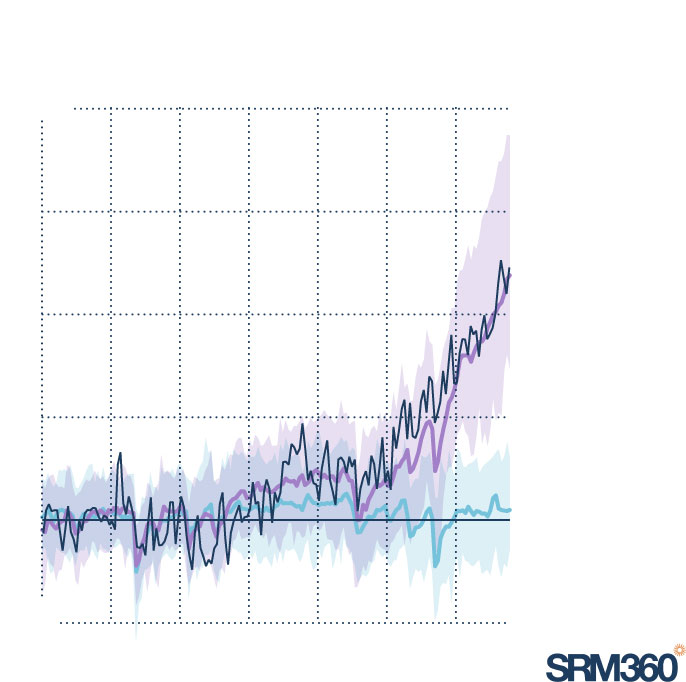
Change in global annual average temperature relative to 1850-1900
Observed
Simulated human and natural
Simulated natural
(solar and volcanic)
2.0°C
1.5
1.0
0.5
0
–0.5
1850
1900
1950
2000
Source: IPCC
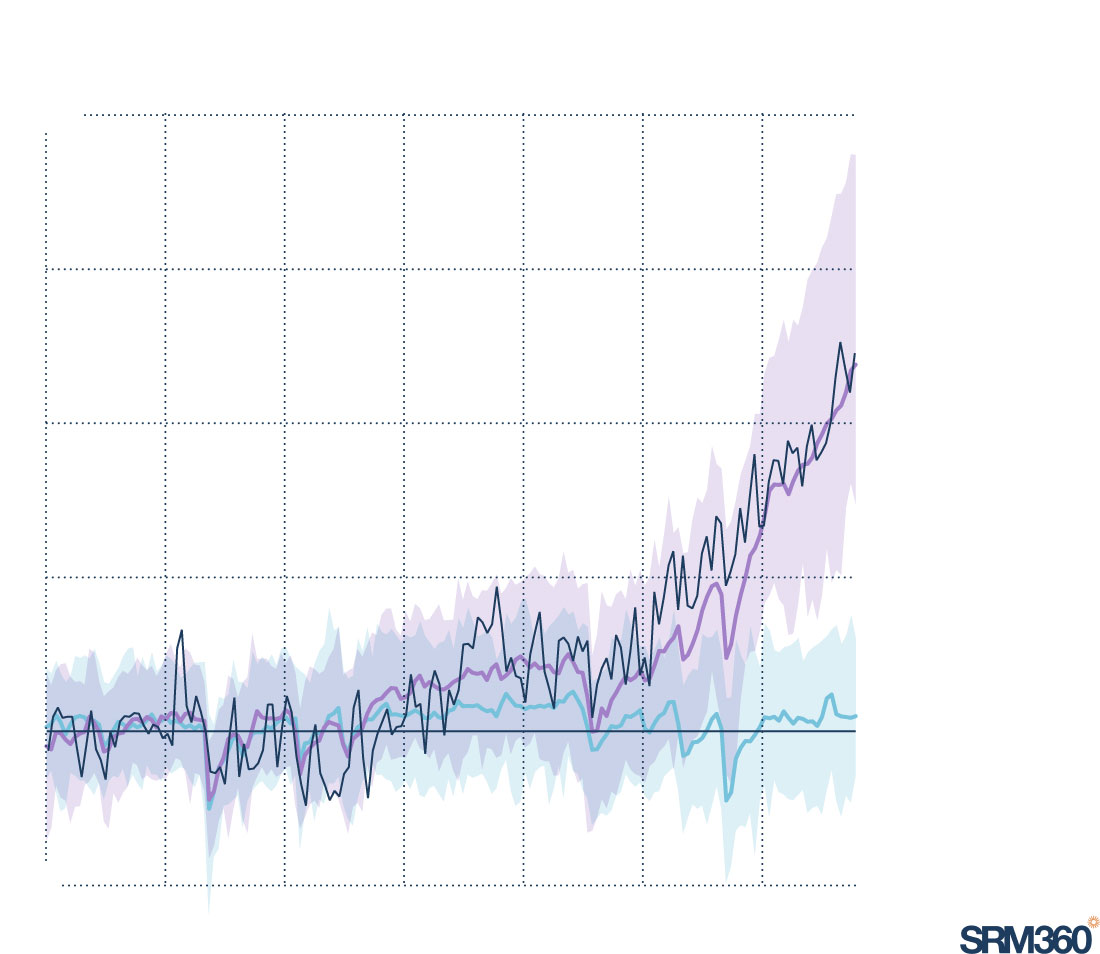
Change in global annual average temperature relative to 1850-1900
2.0°C
1.5
Observed
Simulated human and natural
1.0
0.5
Simulated natural (solar and volcanic)
0
–0.5
1850
1900
1950
2000
Source: IPCC
Crossing 1.5°C
2024 was the first calendar year to see the global average temperature breach 1.5°C above pre-industrial levels – a threshold beyond which risks to people and ecosystems rise significantly. This does not mean the long-term Paris Agreement goal has been permanently crossed, but it was a significant political and psychological moment. The breach has intensified discussions about what options exist to manage climate risks in the near term, rather than decades from now.
Emissions cuts, carbon removal, and SRM
Emissions cuts and carbon dioxide removal (CDR) tackle the root cause of climate change, and sunlight reflection methods (SRM) could limit warming while they work.
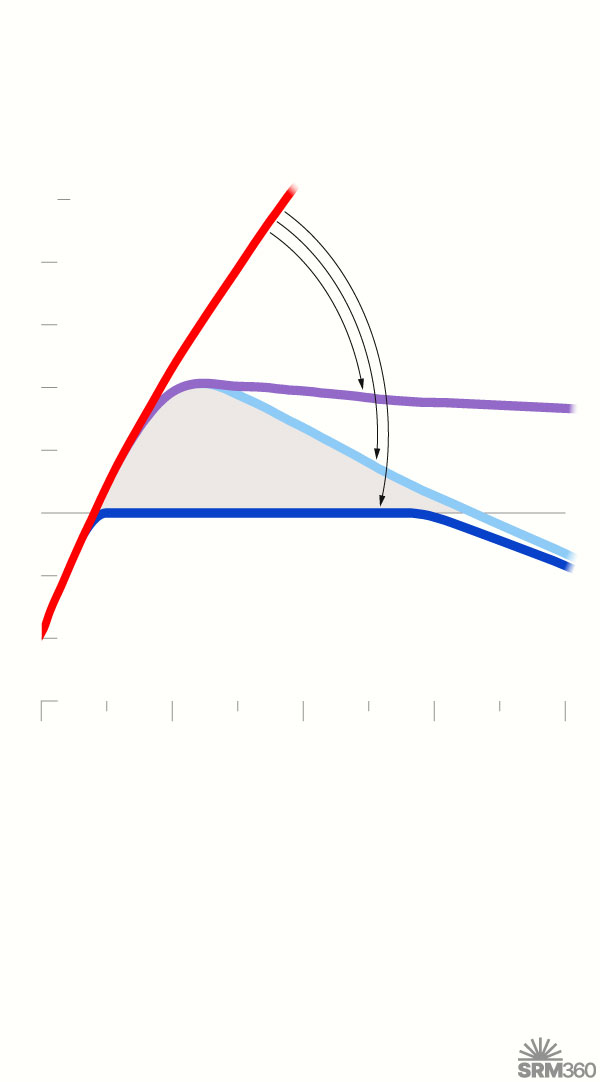
GLOBAL TEMPERATURE INCREASE
No emissions cuts
Temperatures would continue to rise.
Cut emissions
Eliminating CO2 emissions would stop global warming, but not reverse it.
4.0°C
3.5
3.0
2.5
2.0
1.5
1.0
0.5
0
2000
2100
2200
2300
2400
Reflect sunlight
SRM could offset global warming while emissions cuts and CDR work.
Remove carbon
CDR could then slowly lower temperatures.
Source: Based on Boselius et al. (2025), Oxford Open Climate Change
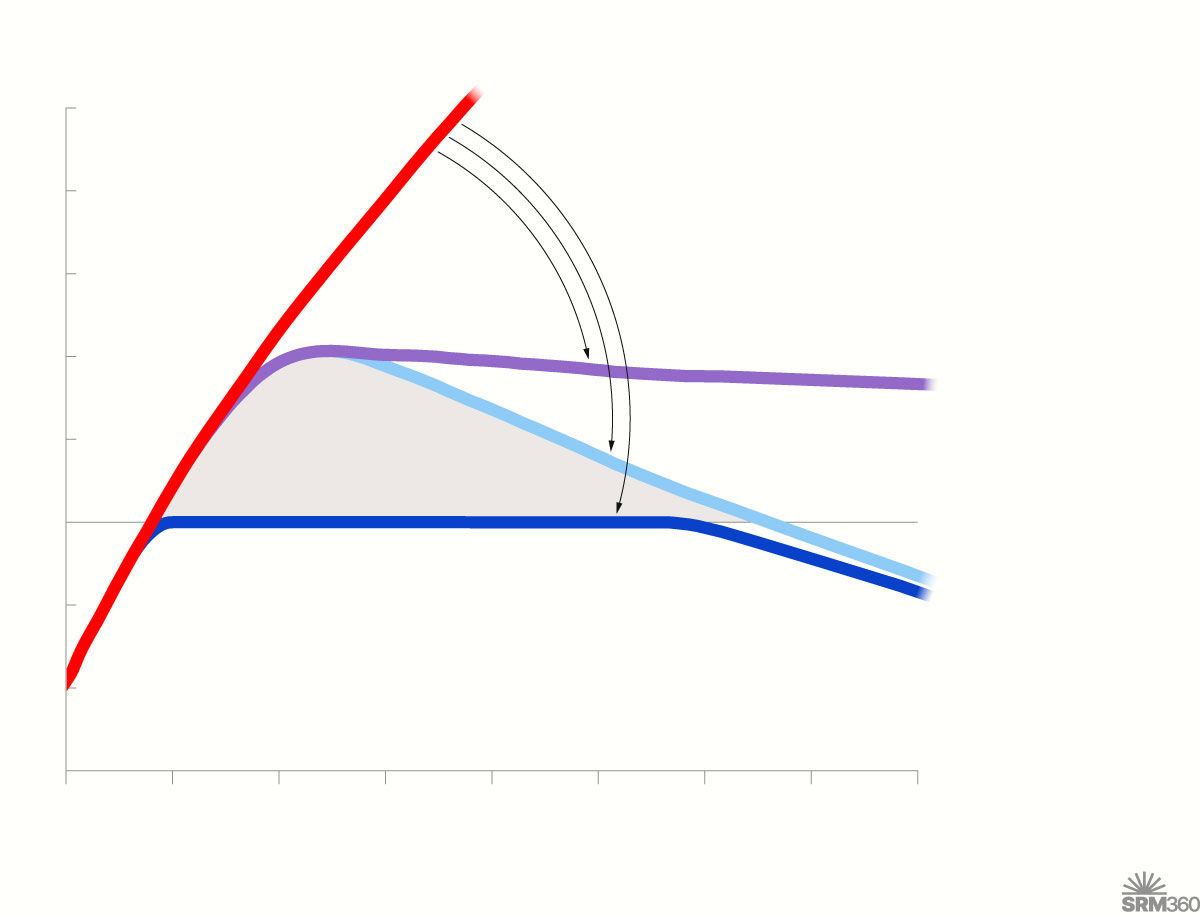
GLOBAL TEMPERATURE INCREASE
4.0°C
No emissions cuts
Temperatures would continue to rise.
CUT EMISSIONS
Eliminating CO2 emissions would stop global warming, but not reverse it.
3.5
3.0
2.5
2.0
REMOVE CARBON
CDR could then slowly lower temperatures.
1.5
REFLECT SUNLIGHT
SRM could offset global warming while emissions cuts and CDR work.
1.0
0.5
2000
2050
2100
2150
2200
2250
2300
2350
2400
Source: Based on Boselius et al. (2025), Oxford Open Climate Change

The human cost of rising heat
Extreme heat is one of the most immediate consequences of climate change. Almost half a million heat-related deaths occur each year, and that number is expected to rise substantially. The impacts fall disproportionately on the urban poor in the Global South – who are among the most exposed and least able to adapt. Cutting emissions is essential but would take decades to slow the rise in temperatures. Sunlight reflection is the only known approach that could cool the planet rapidly – but it remains unproven at scale and would introduce new risks of its own. That tension is a central reason it is now part of the conversation.

People and cars on a Extreme heat causes a shimmer effect in Phoenix, Arizona, during a 2023 heatwave. Credit: Mario Tama/Getty Images.
Stay up to date with the latest from SRM360 and the Plan C team
Dig deeper on this topic
- Guide: Why Are People Considering SRM?
- News Reaction: What Does 2024’s Breach of 1.5°C Mean for SRM?
- Primer: SRM & Extreme Heat