Navigating Plan C
AN INTRODUCTION TO THE IDEAS EXPLORED IN PLAN C FOR CIVILIZATION
Who is driving the conversation?
Solar geoengineering is not being advanced by a single group with a unified agenda. The field involves academic researchers, government funders, private philanthropists, and a small but controversial commercial sector – each with different motivations and different levels of transparency.
Following the money
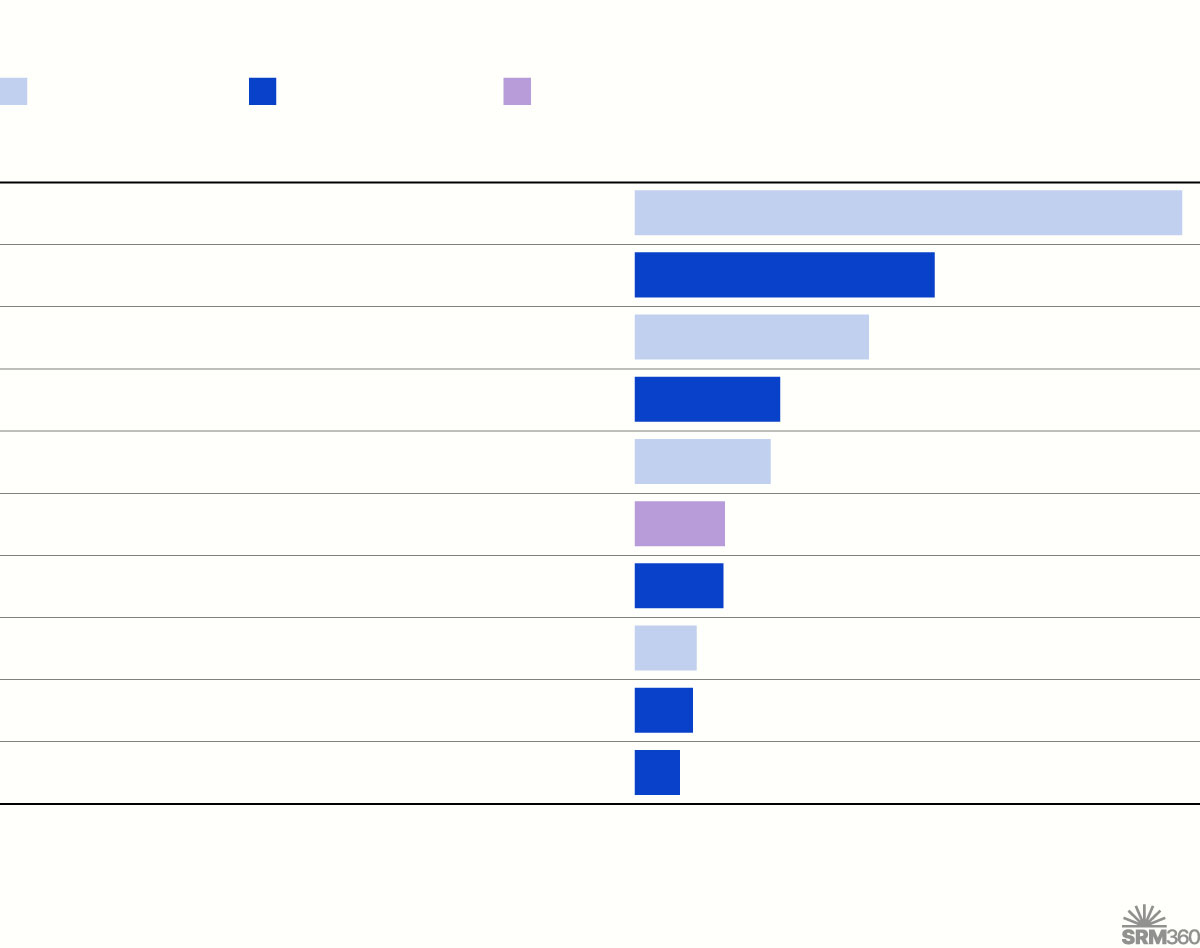
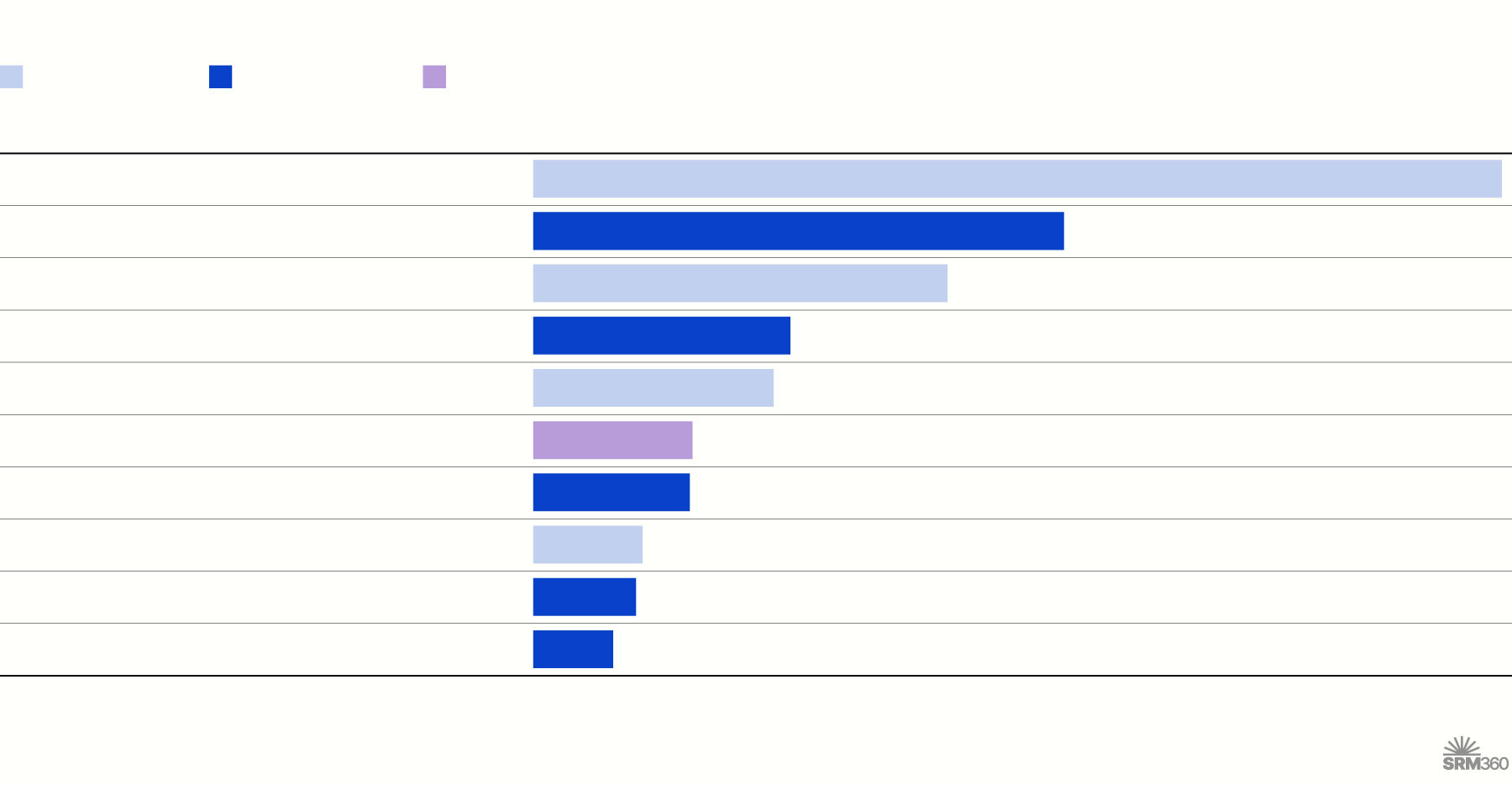
Total funding for SRM through 2024 reached approximately $192 million – less than the budget of a typical Hollywood blockbuster. But the trend is sharply upward: spending in 2020–2024 was roughly three times what it was in 2010–2014. About half has come from philanthropic sources, with government funding close behind. Through 2024, the US was the largest source ($102 million), followed by Australia, the UK, and Israel.
The geographic imbalance is striking. Global North organisations have received more than 50 times more funding than those in the Global South. Individual philanthropies outspend most national governments. No evidence has been found of fossil fuel interests funding SRM, though some sources remain anonymous.
Philanthropists outspend most nations on SRM
Five of the top 10 funders of SRM are philanthropic, outspending almost all nations, with only the UK, US, Australia and the EU making it into the top 10.
Find updated funding graphics here.

10 LARGEST SRM FUNDERS
GOVERNMENTAL
PHILANTHROPIC
COMMERCIAL
TOTAL GIVEN THROUGH 2030, in millions
ACTOR
1
UK government
US$91.3
2
Simons Foundation
50.0
US government
3
39.0
4
Quadrature Climate Foundation
24.2
Australian government
5
22.6
6
Awz Ventures
15.0
7
Open Philanthropy
14.7
8
European Union
10.3
9
Bill Gates
9.7
V. Kann Rasmussen Foundation
10
7.5
Note: the EU total counts only funding from EU institutions and excludes funding from member states.
Source: SRM360.org
10 LARGEST SRM FUNDERS
GOVERNMENTAL
PHILANTHROPIC
COMMERCIAL
ACTOR
RANK
TOTAL GIVEN THROUGH 2030, in millions
US$91.3
1
UK government
2
Simons Foundation
$50.0
US government
3
$39.0
Quadrature Climate Foundation
4
$24.2
Australian government
5
$22.6
6
Awz Ventures
$15.0
7
Open Philanthropy
$14.7
European Union
8
$10.3
Bill Gates
9
$9.7
10
V. Kann Rasmussen Foundation
$7.5
Note: the EU total counts only funding from EU institutions and excludes funding from member states.
Source: SRM360.org
Philanthropists outspend most nations on SRM
Five of the top 10 funders of SRM are philanthropic, outspending almost all nations, with only the UK, US, Australia and the EU making it into the top 10.
10 LARGEST SRM FUNDERS
GOVERNMENTAL
PHILANTHROPIC
COMMERCIAL
ACTOR
RANK
TOTAL GIVEN THROUGH 2030, in millions
US$91.3
1
UK government
2
Simons Foundation
$50.0
US government
3
$39.0
Quadrature Climate Foundation
4
$24.2
Australian government
5
$22.6
6
Awz Ventures
$15.0
7
Open Philanthropy
$14.7
European Union
8
$10.3
Bill Gates
9
$9.7
10
V. Kann Rasmussen Foundation
$7.5
Note: the EU total counts only funding from EU institutions and excludes funding from member states.
Source: SRM360.org
The startup question
For-profit companies have recently entered the field, introducing new tensions. In 2023, the US startup Make Sunsets released small high-altitude balloons containing tiny amounts of sulphur dioxide in Mexico without engaging local authorities. The releases had no environmental impact, but Mexico’s government announced its intention to ban SRM activities – though it remains unclear whether formal action has followed.
More recently, the US–Israeli startup Stardust secured $75 million in funding, making it the single largest recipient of funds in a field otherwise dominated by non-profits and public institutions. The company has not disclosed its proprietary particle. These developments are at the centre of debate about whether commercialisation is premature and what happens when private actors move faster than governance.
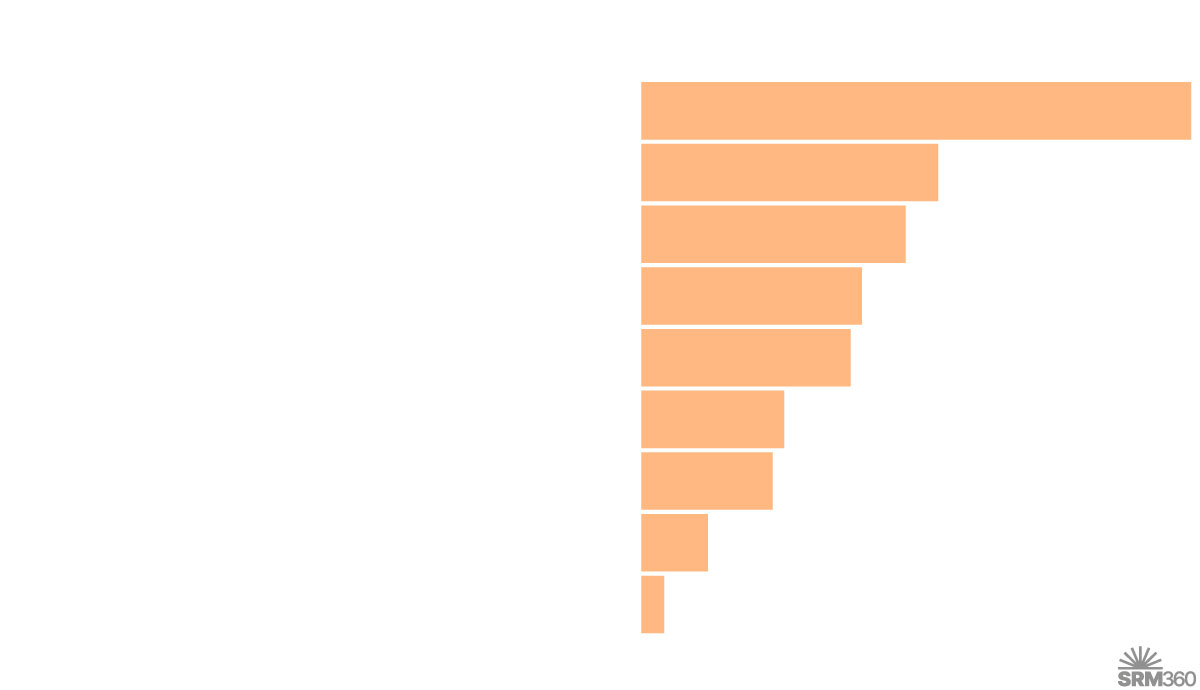
Media coverage of SRM risks
Researchers analysed media coverage of SRM and the for-profit startup Make Sunsets, which released small amounts of sulphur dioxide from balloons in Mexico as part of its “cooling credits” initiative.

A breakdown OF THE DIFFERENT TYPES OF RISKS EXPRESSED
Unintended planetary effects
29%
Lack of governance structures
16
Lack of scientific validation
14
Climate change impacts (risk-risk)
12
Geopolitical risk
11
Moral hazard
8
Lack of commitment to local communities
7
Termination shock
4
Health risks
1
Source: Carabajal et al. (2025), European Journal of Risk Regulation
A breakdown OF THE DIFFERENT TYPES OF RISKS EXPRESSED
Unintended planetary effects
Lack of governance structures
Lack of scientific validation
Climate change impacts (risk-risk)
Geopolitical risk
Moral hazard
Lack of commitment to local communities
Termination shock
Health risks
29%
16
14
12
11
8
7
4
1
Source: Carabajal et al. (2025), European Journal of Risk Regulation

The research community
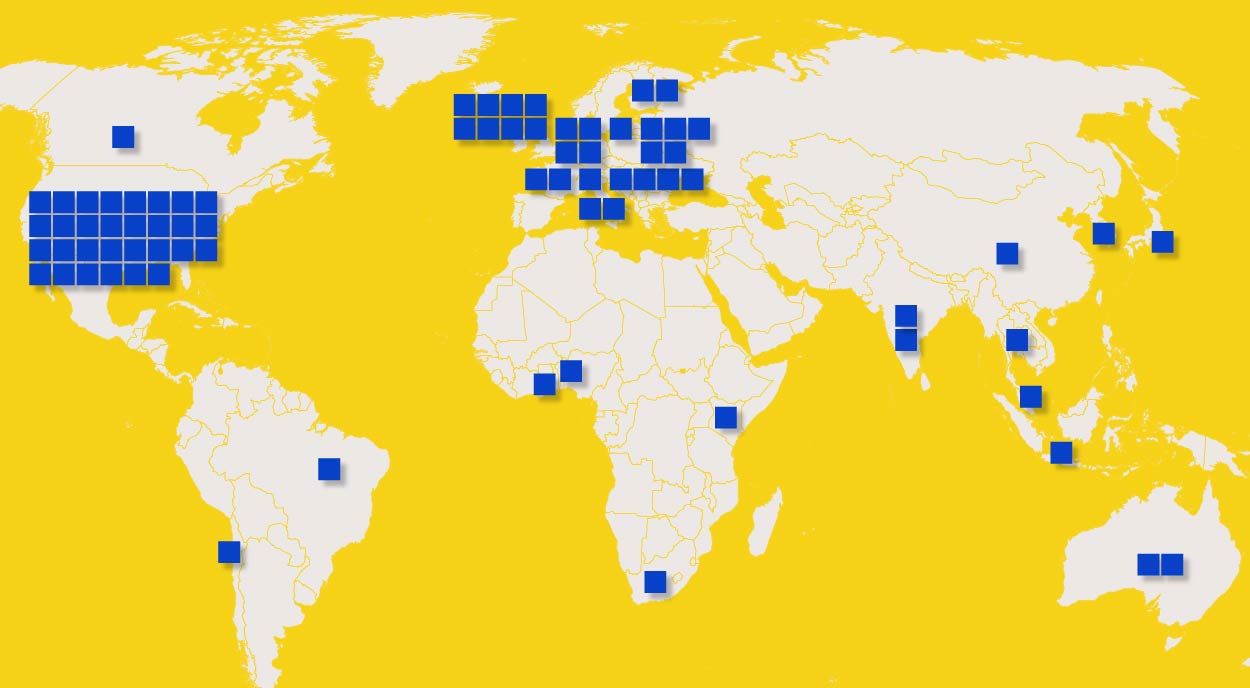
Behind the headlines, a large academic community is exploring the foundational science. Over a thousand researchers worldwide study aspects of solar geoengineering – from atmospheric modelling to governance, ethics, and public perception. They come from institutions across dozens of countries and represent a wide range of disciplines.
Many of these researchers are among the most vocal about SRM’s risks and uncertainties. The field’s own scientists have been outspoken about the need for transparency and governance. The SRM360 Researcher Database catalogues some of these experts and makes them accessible to journalists, policymakers, and the public.
Stay up to date with the latest from SRM360 and the Plan C team
Dig deeper on this topic
- Interactive Tool: The SRM Funding Tracker
- Interactive Tool: The SRM Researcher Database
- Perspective: “Make Sunsets” in Mexico: Lessons for SRM Governance