News Article
Reactions to the Global Risk & Stabilization Summit
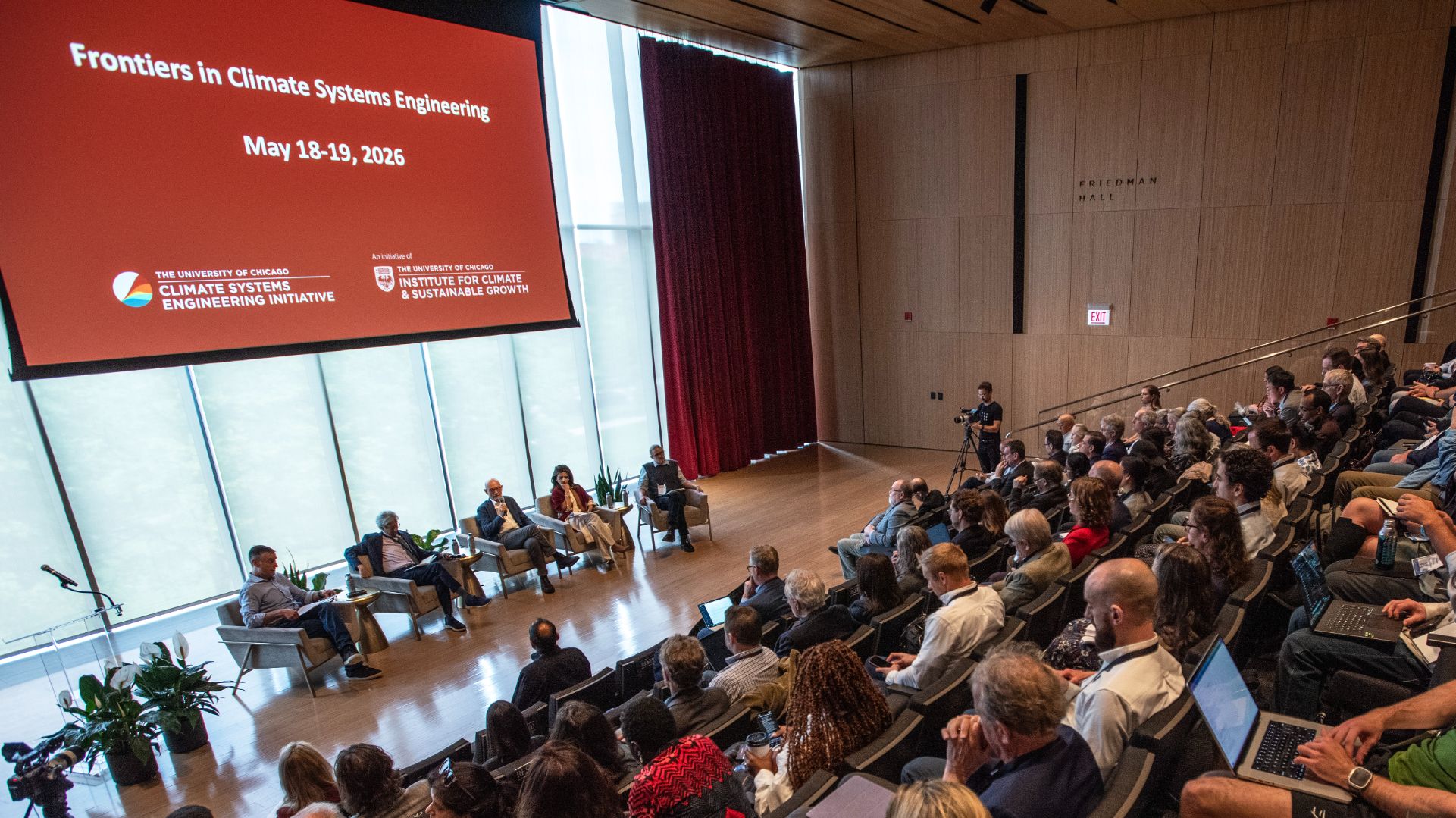
The Global Risk & Stabilization Summit recently convened in Iceland for discussions about sunlight reflection methods (SRM) and other potential ideas to manage some of the biggest risks associated with the warming climate. The field is faced with some big questions, including whether “stabilisation” makes sense as a framing and what should be included under that umbrella, as well as how best to communicate around it.
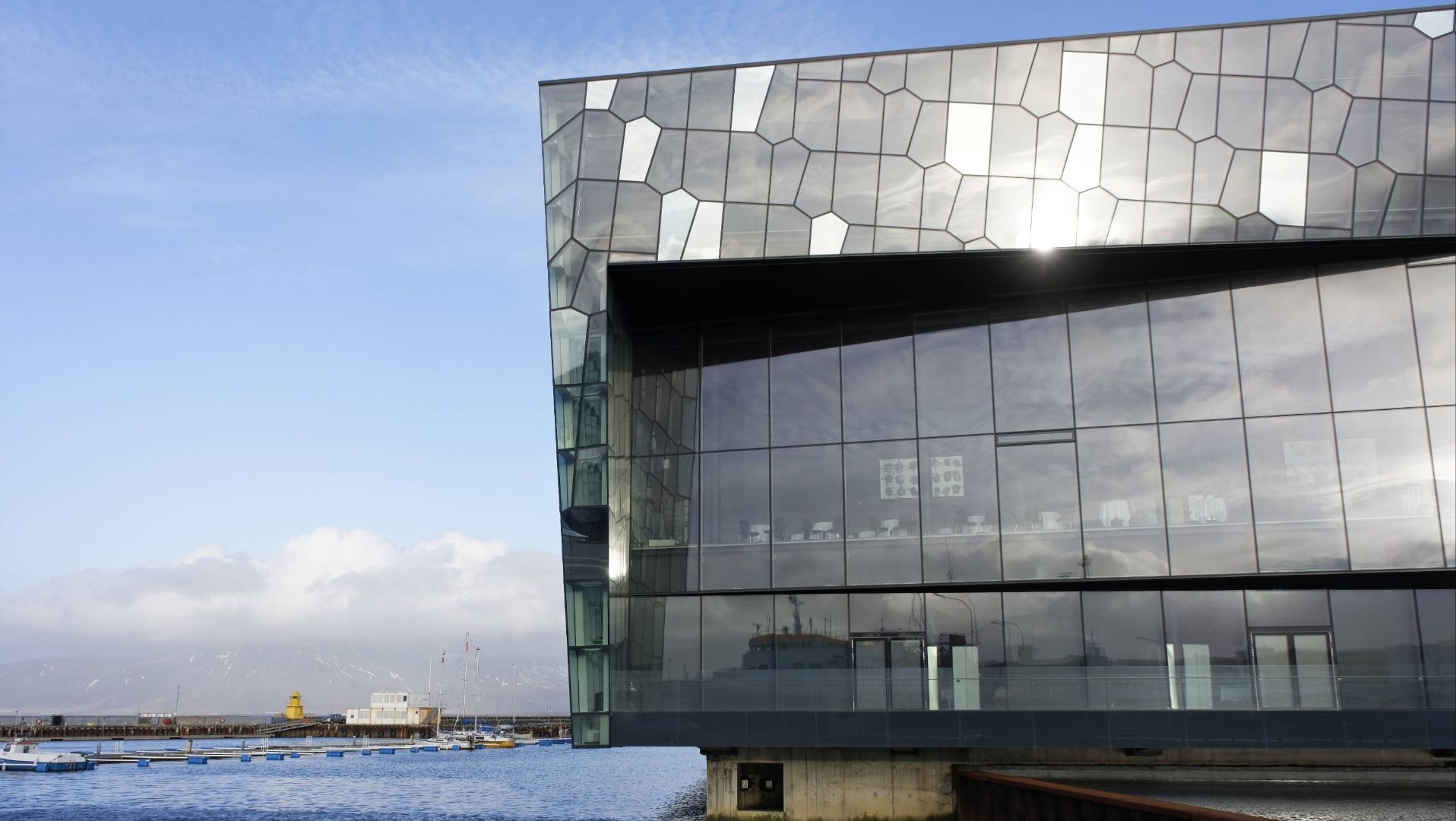
The Harpa Concert Hall and Conference Centre in Reykjavík, Iceland (Photo: DPA/Picture Alliance via Reuters Connect)

A nascent field
More than 250 people from around the world gathered in Reykjavik for the first Global Risk & Stabilization Summit, which focused on a variety of ideas to “better predict, prepare for, and prevent catastrophic climate risks”. Many attendees have since shared their thoughts and takeaways from the conference, and some critical themes have emerged.
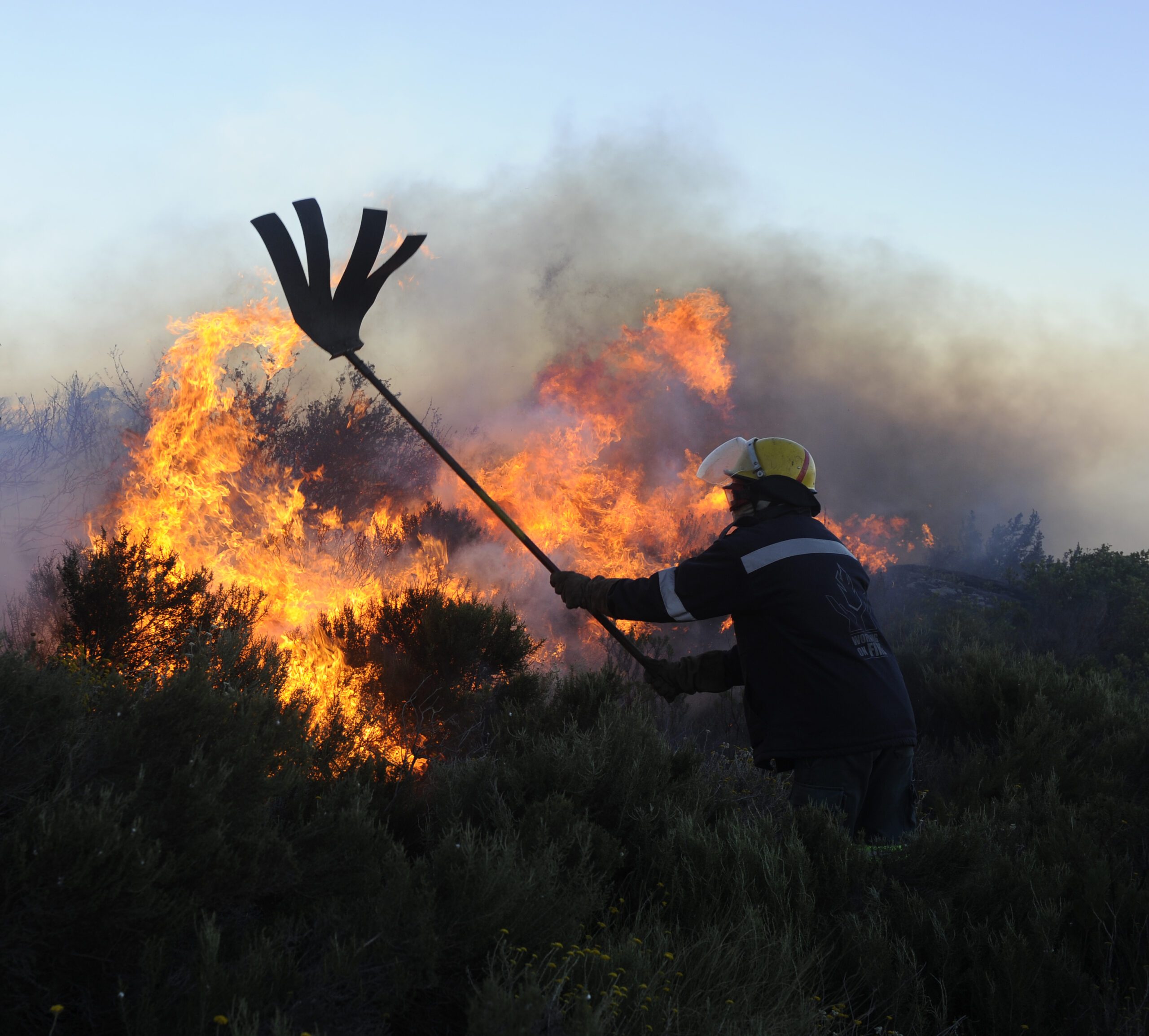
One is a clear sense that the state of the climate is dire, and getting worse far too quickly. “I think we’ve passed every reasonable threshold where traditional climate action alone is likely to be enough”, wrote Summit organiser Joshua Elliott, director of Renaissance Philanthropy’s Advanced Research for Climate Emergencies. “Many of the Earth systems we depend on are showing signs of destabilizing, from oceans to clouds to forests to ice sheets to permafrost.”
Susan Su, of Climate Money, agreed: “We’ve blasted past 1.5°C, and may not even be able to hold onto 2°C”, she wrote. “At 3°C, we are headed for runaway climate change, mass extinction and global destabilization.”
Growing workforce, growing funding
The increasing interest in “stabilisation” ideas, including SRM among other things, is at least partially a response to that direness. And while the potential interventions vary in scope and target, another theme to emerge from the Summit mirrored the size of the problem: Think big.
“This is coming at us really fast, and we’re even more underprepared for it than I thought”, wrote Paul Gambill, also of Renaissance Philanthropy. “And the conclusion I came to is that we need to be thinking much bigger about stabilization, both about the size of the options we’re researching and about the size of the field doing the research, because that’s how big the risks are.”
As to the size of the field: while it numbers at most 1,000 or so people today, some want it to reach 10 times that by 2030, and for it to be 50,000 strong by the middle of the next decade. Elliott called that goal ambitious, but feasible.
Many more people, of course, means much more money as well. And there is a chance that money is on its way. “At the Summit this week, I was blown away by how many new people were coming into this space”, Su wrote at Climate Money. “There were folks from some of the biggest family offices and climate philanthropies in the world, all here to explore what they believed could be the next big area of funding and investment.”
As our recently updated Funding Tracker shows, philanthropy already is out in front in terms of funding for SRM work, and accounts for two-thirds of all funding committed from 2026 moving forward, at more than $100 million. The sector’s increasing involvement, along with other signals like progress on outdoor experiments and creation of dedicated funding mechanisms, would indicate a sea change in the field’s funding landscape, Su wrote. At present the absolute funding numbers remain very small compared to other areas of climate like clean tech, and questions remain as to how to bring new and more diverse funders into the field.
Comparisons to adaptation and CDR
Both at the Summit and afterward, attendees have made comparisons for the stabilisation field to earlier eras of climate change work. In the 1990s, for example, climate adaptation was something of a taboo subject, as it suggested the world might fail to mitigate the problem – a stance that entirely disappeared by a decade or so later, after the need for widespread adaptation became more clear. Are SRM and other stabilisation ideas, long considered controversial, going to experience a similar trajectory?
Others compared the next ten years of stabilisation work to the last decade or so of the carbon dioxide removal (CDR) field – suggesting again that, like with CDR, a small field can explode in people, companies, and money in relative short order. But not all were convinced of the comparison.
Noah Deich, who recently served in the Biden administration as Deputy Assistant Secretary for Carbon Management at the Department of Energy, wrote after the Summit that SRM is a far thornier subject than CDR. “[S]olar radiation management is the octopus of the climate solutions world — wildly more complex and distinct from even its closest genetic neighbor.”
He also pointed out that the CDR story has been a messy one, and “success” in the stabilisation world would need to look very different. Some sessions at the Summit were aimed in this direction, engaging in “back-casting” exercises where attendees imagined the world in 2036 with an SRM deployment on the immediate horizon – what should be happening in 2026 and the next few years to successfully prepare the world for that moment?
Growth of the field is obviously a good starting point to answer that question, but the details matter as well. As the Degrees Initiative noted in a post after the Summit, low- and middle-income countries (LMICs) would likely want to see their own evidence as to what the theoretical 2036 deployment would mean for them. And so, “in 2026, LMICs should have formed a coalition to generate and share this evidence”, concluded some of the participants.
While there are still plenty of sceptical voices around SRM and other stabilisation concepts, the Summit at least demonstrates a growing momentum on the need to better understand the options. “So will we cool the earth?” asked attendee Robert Höglund, of Marginal Carbon. “I don’t know, but personally, I firmly believe that we need to spend a lot more time, energy and money on this field. We at least need to get the solutions deployment-ready.”
Other takes on the Summit
While we couldn’t get to everyone’s takes above, here are some other interesting pieces and posts on attendees’ experience at the Summit:
- Global Risk and Stabilization Summit 2026: A view from the tropics, by Julian Velasco
- Our Deployable Window is Closing from Both Sides, by Mehrad Yaghmai
- These 3 Numbers Explain Earth System Interventions in 2026, by Nico Esguerra
- On The Global Risk and Stabilization Summit, by Ben Shread-Hewitt
- Thoughts posted on LinkedIn from Morgan Goodwin and María Inés Carabajal
This news article also appeared as part of our weekly newsletter on LinkedIn. Subscribe for a curated digest of the stories, studies, and conversations that matter most.