Perspective
Five Takeaways From SRM360’s African Media Workshop
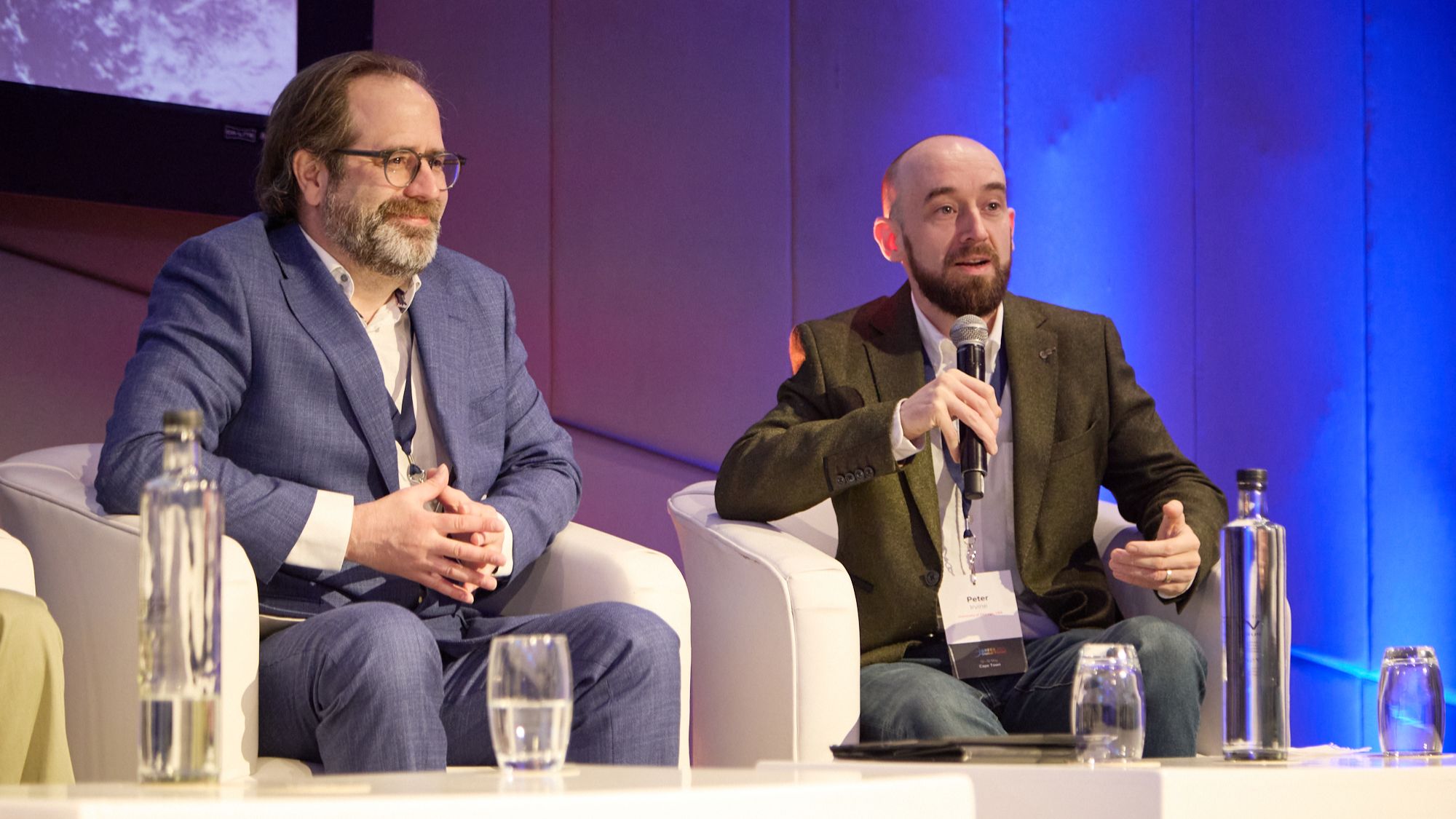
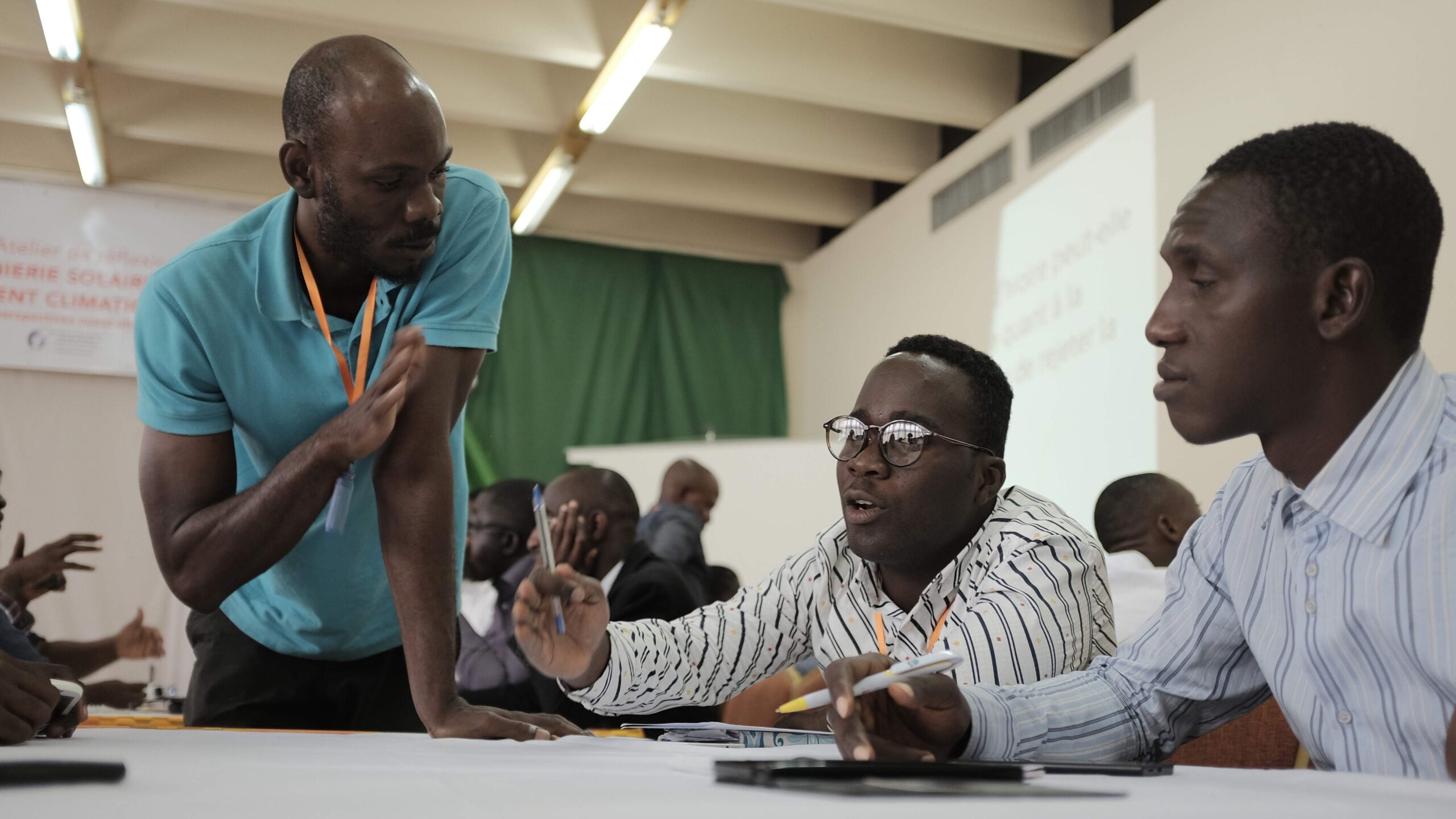
In September, SRM360 hosted a workshop for journalists across Africa in collaboration with the African Climate Intervention Research Hub and Meridian Futures. This Perspective shares some of our key takeaways from the discussion, which focused on how journalists can report on sunlight reflection methods (SRM) in ways that are evidence-based, locally relevant, and grounded in African perspectives.
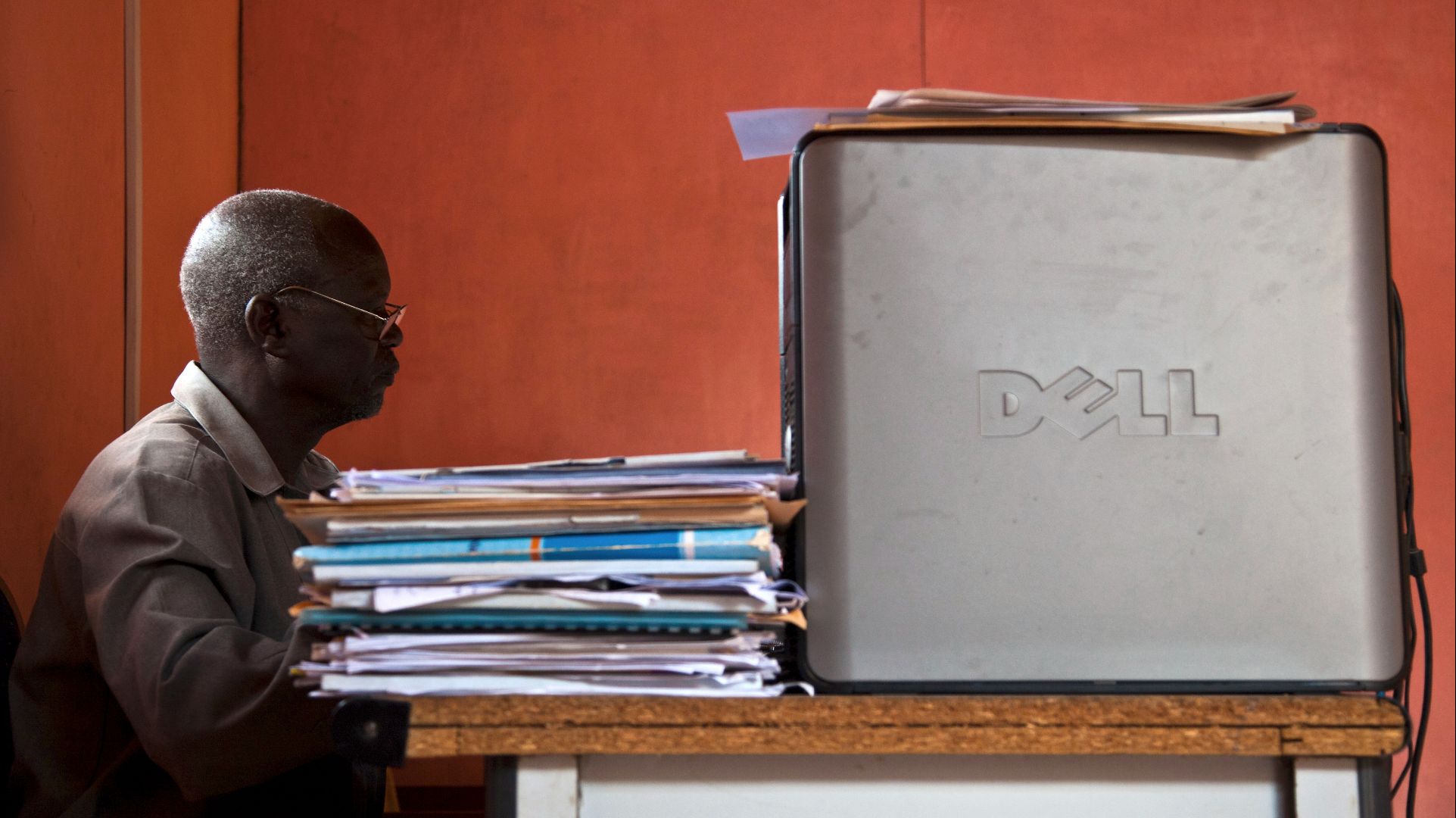
A newspaper editor in Juba, South Sudan (Photo: REUTERS)

Media coverage of SRM has grown over the last few years. However, that coverage has been dominated by journalists and media outlets in the Global North.
Including more perspectives from around the world is important to broaden the conversation and explore how SRM relates to regional climate impacts, governance questions, and the priorities of communities facing significant climate risks.
On 8 September 2026, SRM360 brought together journalists from 26 African countries for a workshop exploring the science, governance, and media reporting of SRM. Held in collaboration with the African Climate Intervention Research Hub (ACIRH) and Meridian Futures, the workshop explored how to identify potential stories, what resources are available, and the common challenges journalists face in the region.
We heard from participants about their concerns, questions, and priorities. Here are five key takeaways from the workshop.
1 Journalists want to connect with local experts
Stories resonate better when they include voices from the region or local community, but it can be difficult to make those connections. Workshop participants told us that identifying and accessing relevant scientists and policymakers remains a challenge for African journalists. Journalists said they need access to local sources who understand the science, as well as regional climate priorities and local communities.
2 Support is needed to communicate the science – and its limitations
Journalists said it can be helpful to have support from researchers to understand the nuances of emerging research so that they can communicate it without oversimplifying or sensationalising. Reporting requires understanding how research was conducted, the assumptions underpinning it, and the questions that remain unanswered. Experts can help journalists assess the evidence, understand its limitations, and put the findings into context.
Participants also highlighted the importance of distinguishing between evidence about potential physical climate effects and questions about how SRM might be governed or used.
3 Editors want to see evidence
Science editors want to see strong, transparent research and data as evidence for stories about climate change. But finding and interpreting relevant information can be difficult, particularly when a field is unfamiliar, when there are competing opinions amongst experts, or when research is presented in technical papers.
Clear explanations of findings and how research was conducted can help journalists assess claims and show readers why a finding matters. Journalists also discussed that funding data can prompt questions about whose research priorities are being supported, which regions are represented, and where gaps may remain.
4 Climate change is rarely a standalone story
For many journalists, climate change is not a separate beat. It comes into stories around local and regional events and experiences tied to climate impacts, such as flooding, drought, and extreme heat, with effects on food prices, water security, and other timely issues. That creates an opportunity to explain SRM through issues that already matter to audiences.
5 People want to know what SRM could mean for their lives
Global temperature targets and climate models can feel abstract. People experiencing climate impacts want to know what an emerging intervention could mean for their livelihoods and communities. Journalists said they need to explore what the evidence says about regional and local impacts, and what remains uncertain. That includes asking who might benefit, who could face risks, how decisions might be made, and how SRM discussions relate to emissions cuts, adaptation, and climate finance.
It also means speaking to local experts to discover how global findings might relate to local outcomes. For example, reporting could explore what research suggests about potential SRM effects on West African rainfall patterns or the climate risks facing Southern Africa, connecting research to local concerns.
Building connections between science and media
Reporting on SRM requires journalists to navigate emerging science, substantial uncertainties, and difficult questions about power, governance, and representation. It also requires access to credible sources and evidence that can be explained clearly to audiences.
The workshop highlighted the value of stronger connections between journalists and researchers, accessible research resources, and a better understanding of what climate impacts local communities are most concerned about.
Building capacity to support journalists in their work helps strengthen reporting on emerging topics like SRM, so that journalists can explain the potential implications for audiences in their own contexts.
The views expressed by Perspective writers and News Reaction contributors are their own and are not necessarily endorsed by SRM360. We aim to present ideas from diverse viewpoints in these pieces to further support informed discussion of SRM (solar geoengineering).